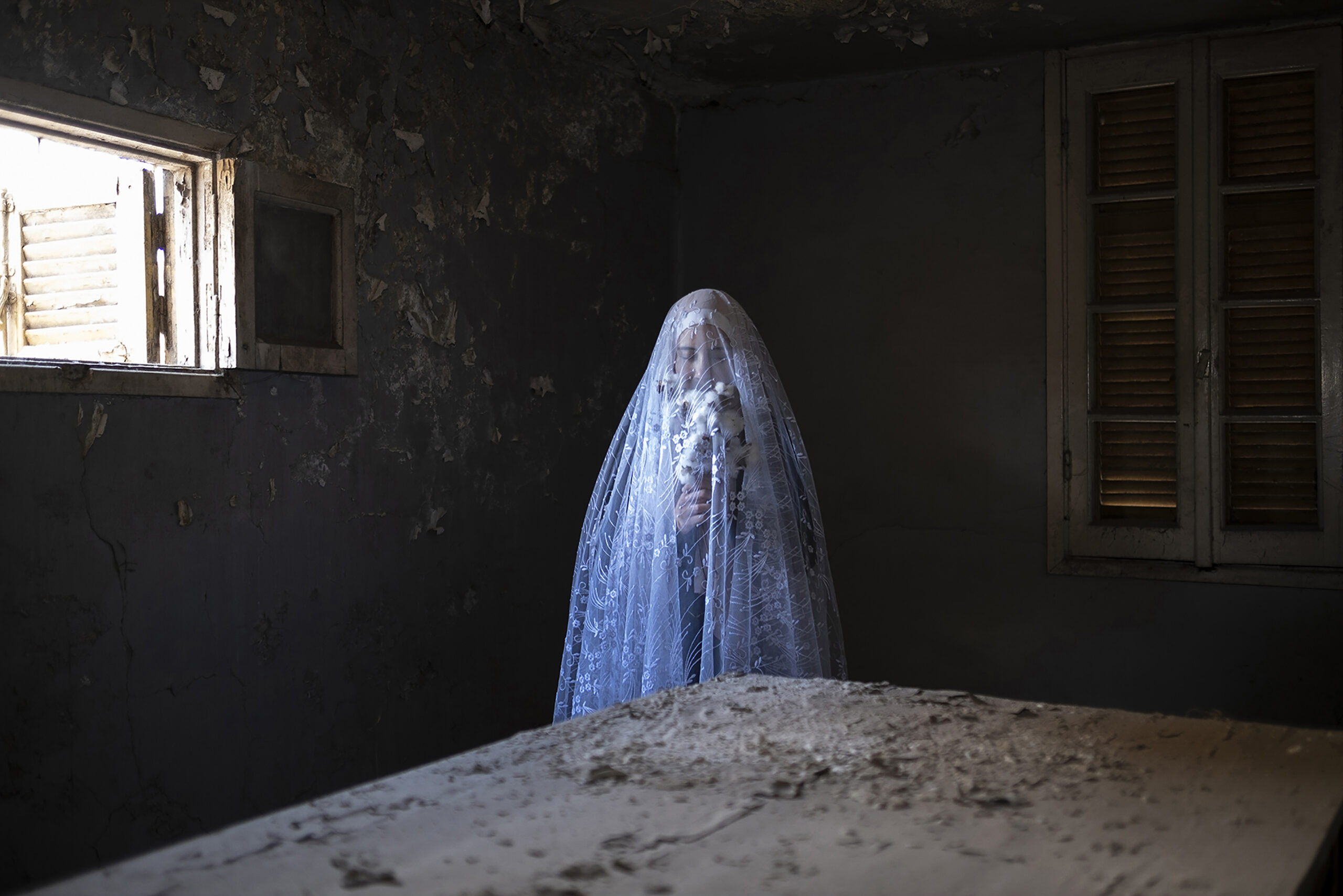
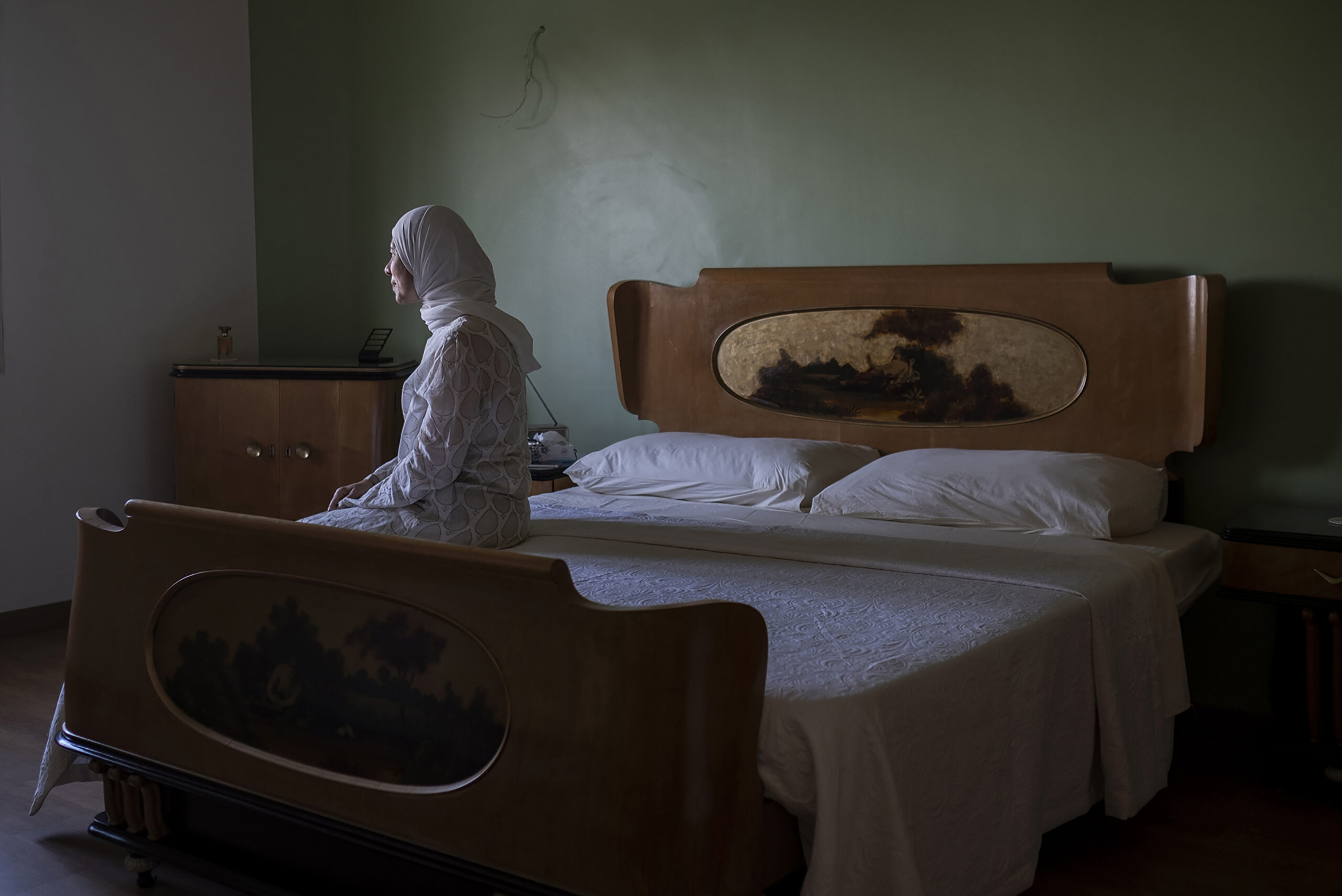
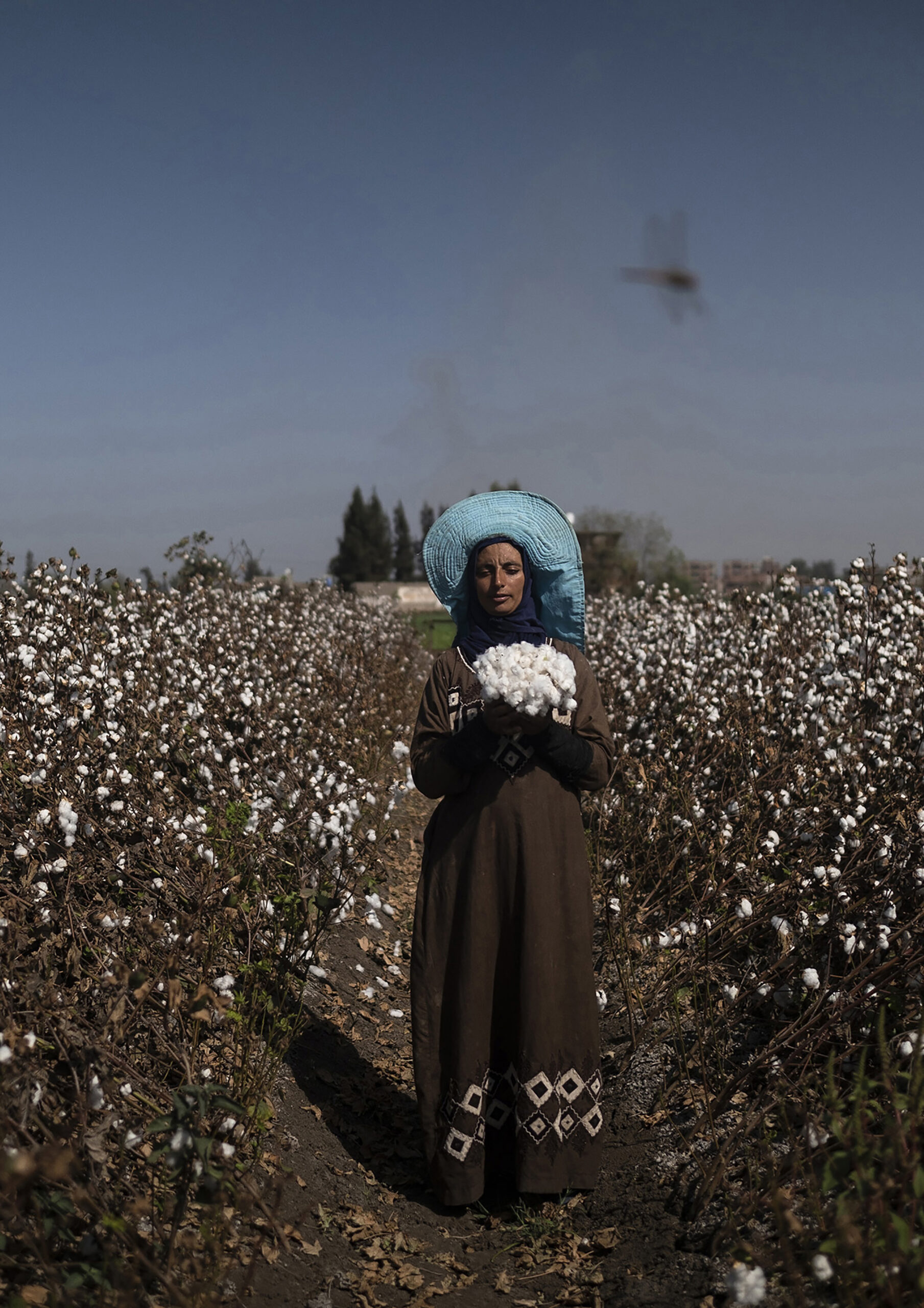
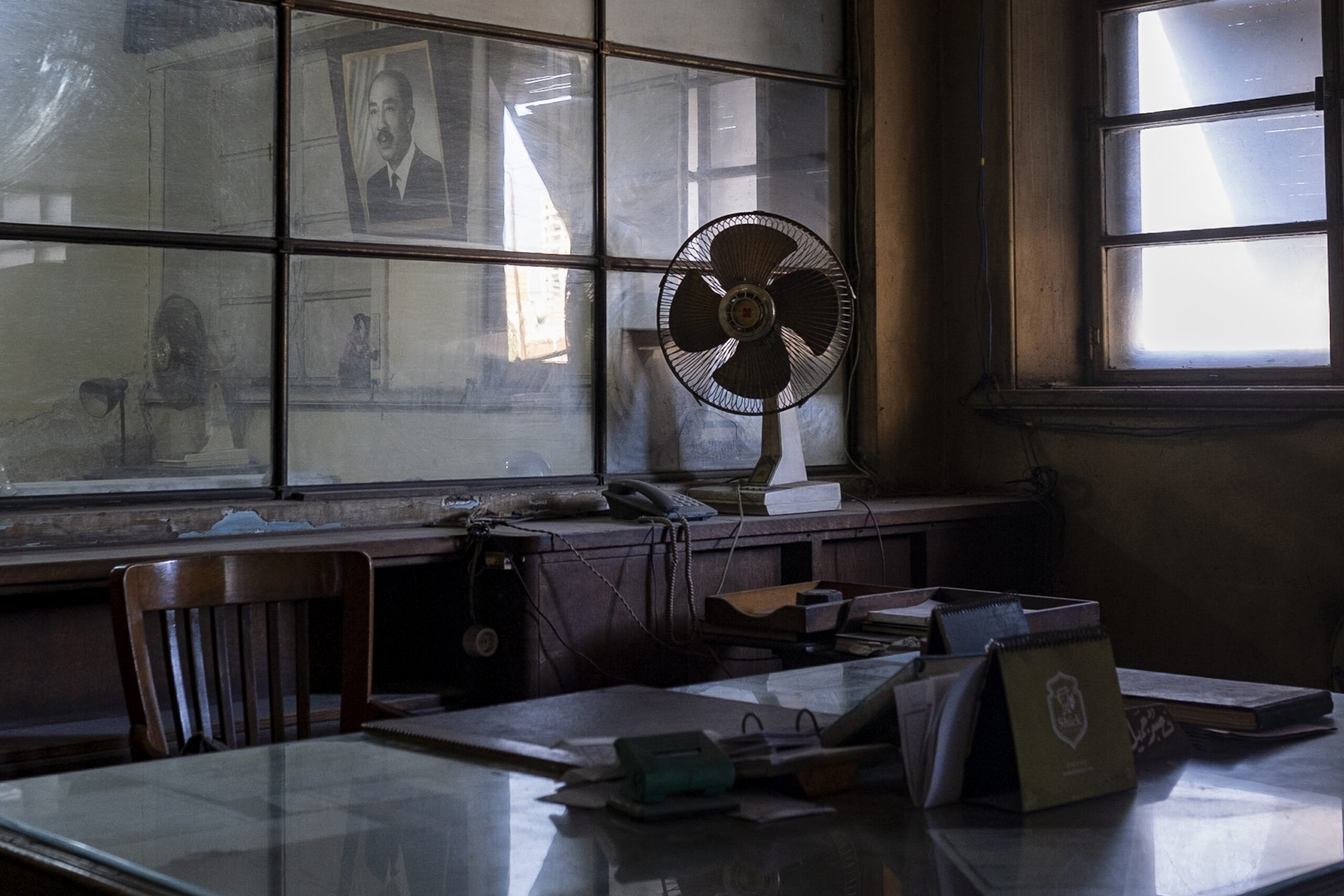
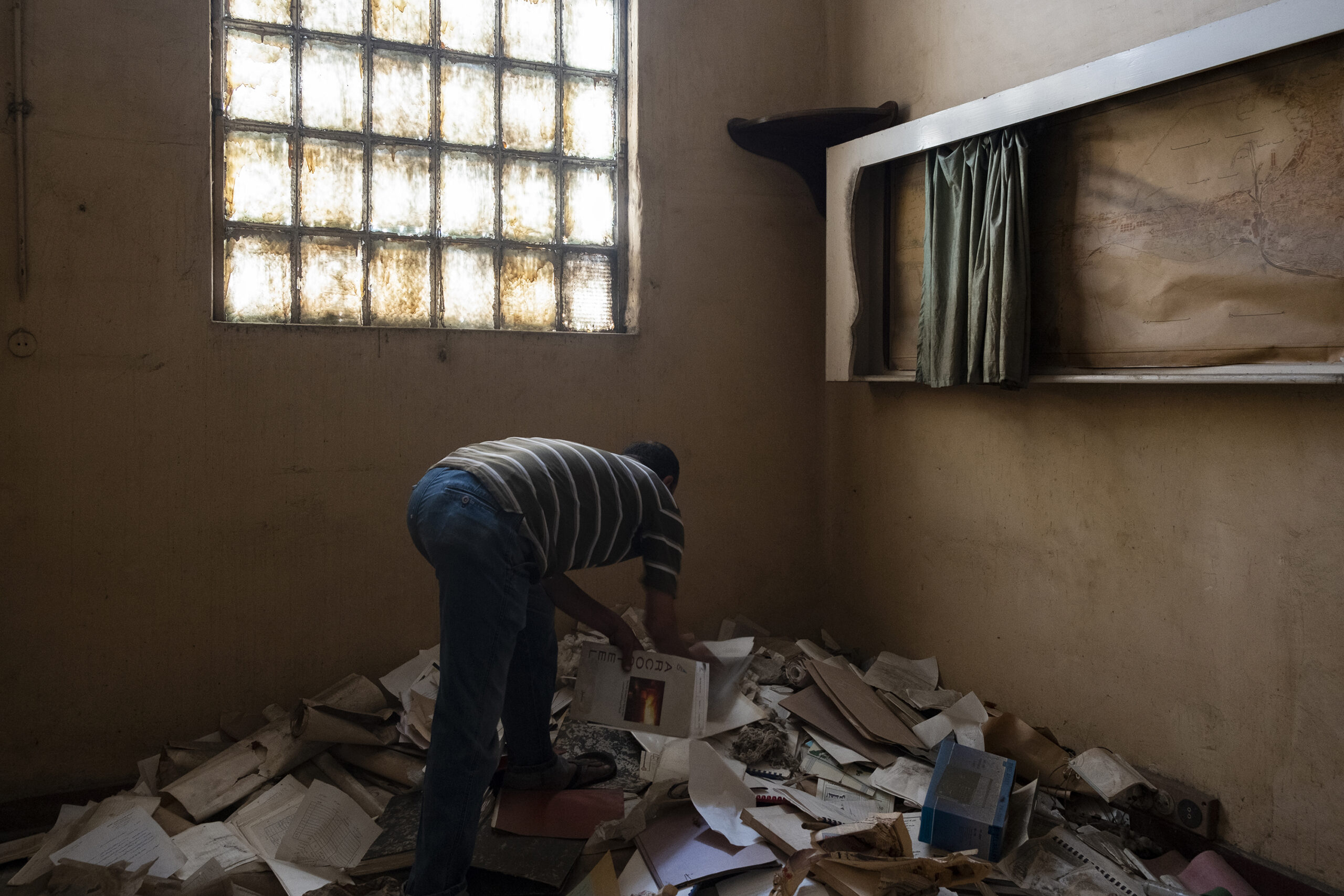
The first seeds of my identity were planted in El Mehalla Al Kobra, home to me and Egyptian cotton. Known as the citadel of industry, it was one of the most popular cities in Egypt for the harvesting and spinning of white cotton. My great grandfather was a merchant of silk and wool, one of the first in El Mehalla to lead the initial stage of the popular manufacturing textile trade at the time. My cotton threads extend back to three generations. In 1969, my grandfather established his textile factory and my father joined him in the 1980’s.
My story is as big as Egypt. With my own photographs and the abundance of materials I have gathered during years of research from personal and found archives, artifacts, documents, objects, oral histories, soundscapes. I am weaving a narrative that draws on my family history, personal stories, industrial landscapes, the experience of my past, maps and interviews all to tell a very personal story that also amplifies the story of the identity-building of a nation state.
White Gold examines the intersection between my family’s history and the official narrative of the Egyptian cotton industry. What began as a search for my roots, has expanded into an investigation of cotton’s real history – how cotton is a colonial relic; imposed and was not native to Egypt, yet it became absorbed into our cultural identity while its origins were forgotten.
Originally a seed from India, the cotton plant was discovered by a Fenchman in Cairo. Later thriving under the reign of the ottoman ruler Mohamed Ali and flourishing under the British occupation when the American civil war erupted in 1861 making way for the Egyptian cotton to take over the global market. The British turned to Egypt for their cotton supplies, transforming the country into their own cotton farmland and occupying Egypt in 1882. It was not until 1927, when the Egyptian economist Talaat Harb founded one of the largest and first industrial facilities built in the 20th Century under the British rule on the grounds of El Mehalla Al Kubra. Following the independence in 1952, cotton was used as a lucrative weapon and symbolized into a nationalistic icon.
This story is challenging the dominant narrative of Egypt’s cotton history that is often framed through colonial, economic, or governmental perspectives, leaving behind personal narratives of those who lived and worked within it. My work actively counters this erasure by presenting first-person narratives, personal and found archives, documents, objects, oral histories, alongside my photographs, reviving lost stories, and trying to reconnect communities to their own histories.
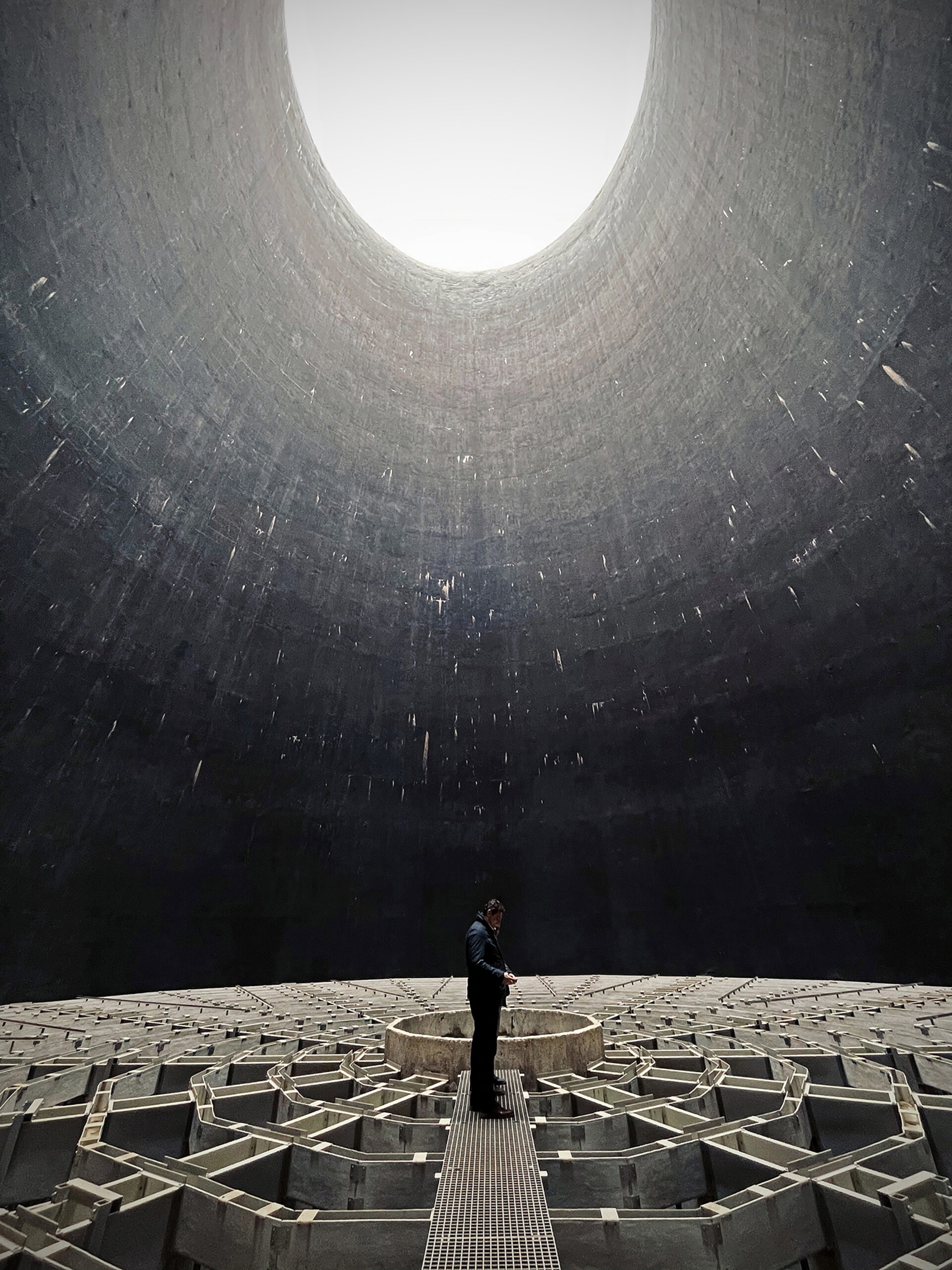
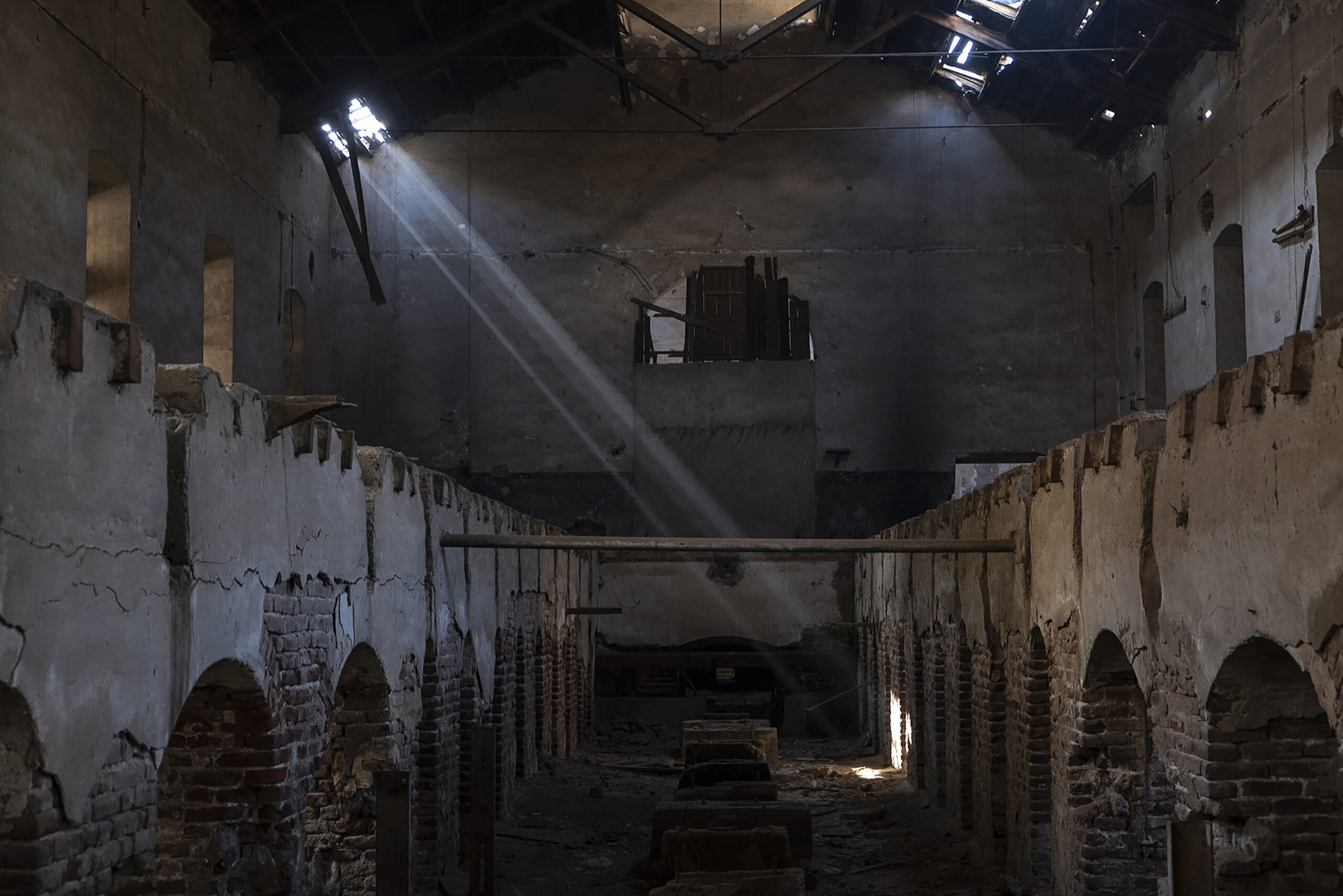
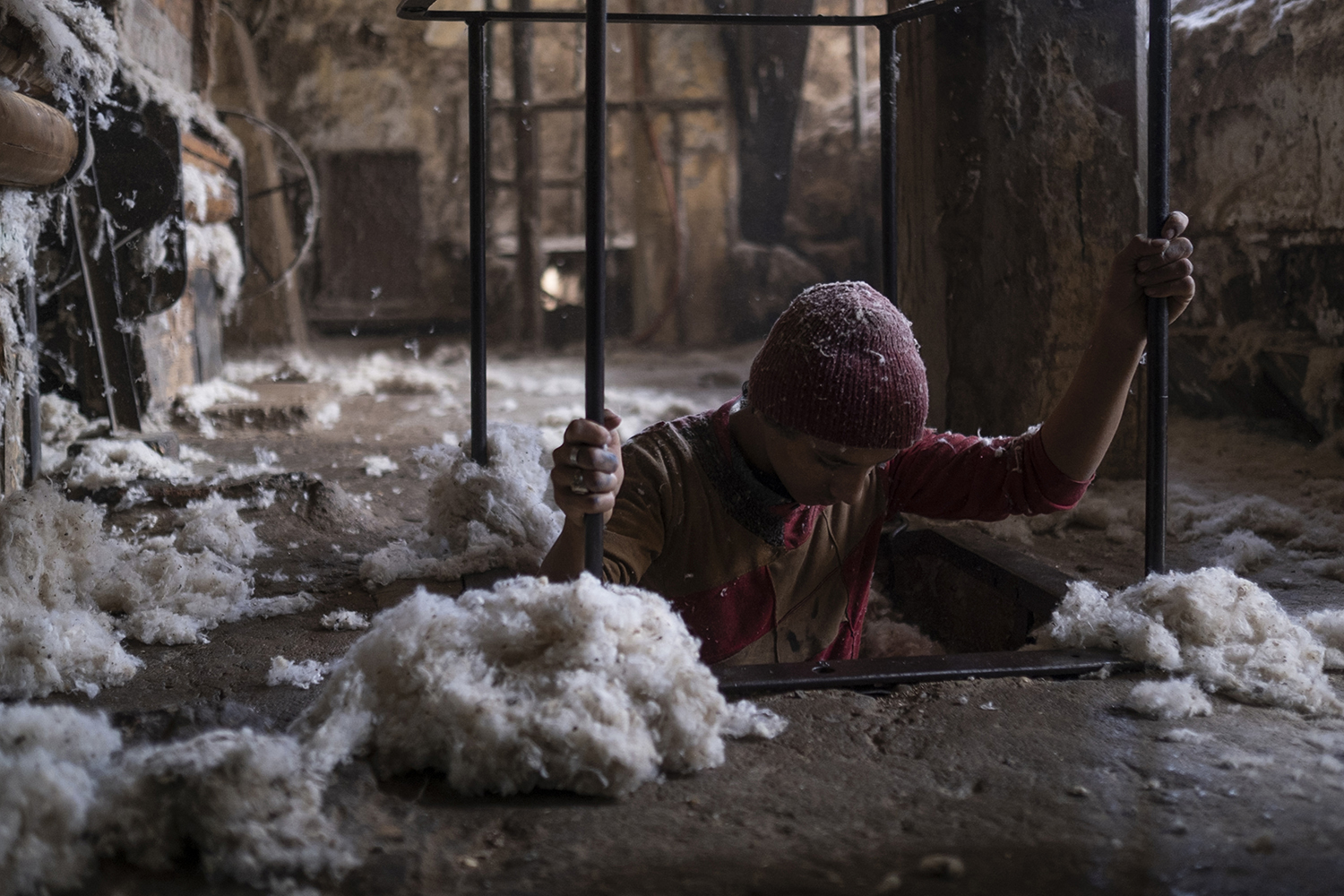
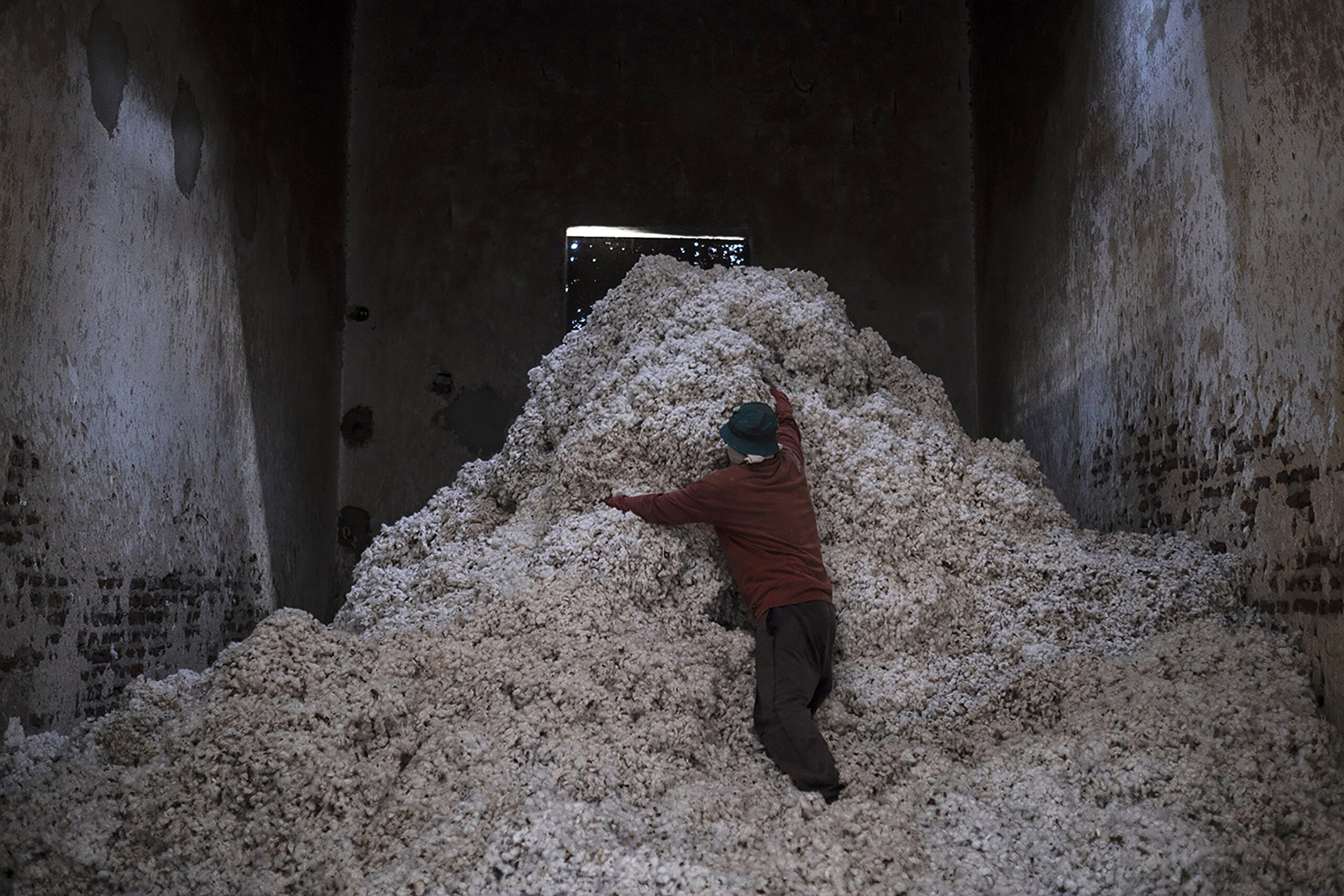
For almost five years, White Gold has evolved beyond myself. My fieldwork took me across Egypt to several sites that were once thriving industrial hubs and central to the global cotton trade, such as Alexandria’s Minet El Basal’s industrial district.With the abundance of materials I gathered, I have been weaving a multi-layered narrative, drawing on my family’s stories, industrial landscapes, maps and interviews of employees.
I try, through this work, to reconnect and recollect what is left of our withering seeds of cotton. Exploring what used to be one the most important industries embedded in our collective memory. Beneath these layers, unfolds the lineage of Egypt, from past to present. What could have been, what have we lost and what could still be?